
Infrared Sauna for Recovery: What Does Heat Actually Do to the Body?

September 17, 2026

Share this article

Infrared sauna for recovery uses controlled heat to raise skin and core temperature, widen blood vessels, increase sweating, and promote relaxation. These responses may support circulation, comfort, and post-exercise recovery, but sauna is not a cure-all. Benefits depend on session length, hydration, individual health, and how it fits into a broader wellness plan.

Warm, modern infrared sauna space supporting a recovery routine

What happens to the body in an infrared sauna?

Infrared sauna panels emit light energy that warms the body more directly than conventional sauna air. The cabin may feel cooler than a traditional sauna, but your body still responds to the heat by working to regulate temperature.

Common short-term responses can include:

  • Increased skin blood flow as blood vessels widen
  • Sweating as the body releases heat
  • A temporarily elevated heart rate
  • Muscle relaxation and a feeling of looseness
  • A calmer, more relaxed state after the session

These are normal heat-adaptation responses, not proof that the body is “detoxing” in a medical sense. The liver, kidneys, lungs, and digestive system already handle most waste processing. Sweating primarily helps cool the body.

How can infrared sauna support recovery?

Recovery involves more than one process. Sleep, nutrition, movement, stress management, and appropriate training loads generally matter more than any single wellness modality. Within that framework, infrared sauna may support recovery in several practical ways.

Circulation and comfort

Heat causes blood vessels near the skin to dilate. That increased circulation may help deliver oxygen and nutrients to tissues while supporting the removal of metabolic byproducts. Some people also report that warmth makes stiff or tired muscles feel more comfortable.

Research on passive heat exposure is active and evolving. Studies have examined circulation, cardiovascular responses, relaxation, and perceived muscle soreness, but results vary by protocol and participant. A comfortable sauna session should complement—not replace—medical evaluation for persistent pain or injury.

Relaxation after training

A recovery routine is easier to maintain when it helps you shift out of a busy or highly stimulated state. Quiet heat exposure may encourage slower breathing and relaxation. For some adults, that transition can support the evening habits associated with better sleep, although sauna should not be presented as a treatment for insomnia.

Mobility and perceived muscle soreness

Warmth can temporarily make muscles and connective tissues feel more flexible. Using an infrared sauna before gentle mobility work may help some people move more comfortably. After exercise, it may also reduce the perception of tightness or soreness. It does not repair a serious strain, tear, or joint problem, so symptoms that persist should be assessed by a qualified professional.

Infrared sauna versus traditional sauna: what is the difference?

Both types use heat to create a physiological response. The main difference is how that heat is delivered.

| Feature | Infrared sauna | Traditional sauna | |---|---|---| | Primary heat source | Infrared panels warm the body directly | Heated air warms the body | | Typical environment | Often lower air temperature | Often higher air temperature | | Humidity | Usually low | Dry or increased with water on rocks | | Experience | Gentler-feeling for some users | More intense heat for some users | | Research question | Effects of infrared exposure | Effects of passive heat exposure generally |

The best option is usually the one you can tolerate safely and use consistently. Temperature alone does not determine whether a session is helpful. Comfort, hydration, timing, and your personal health history are more important considerations.

Close-up of infrared sauna panels and natural wood interior

How should you use an infrared sauna for recovery?

If sauna is appropriate for you, begin conservatively rather than treating longer or hotter sessions as better. A general wellness approach may include:

  1. Start with a short session at a comfortable temperature, especially if you are new to sauna.
  2. Drink water before and after; consider electrolytes if you sweat heavily or have been exercising.
  3. Avoid entering immediately after exhaustive exercise if you feel dizzy, depleted, or overheated.
  4. Leave the sauna if you develop nausea, weakness, light-headedness, chest discomfort, headache, or unusual shortness of breath.
  5. Cool down gradually, rest, and notice how you feel later that day and the next morning.

A session should leave you feeling relaxed—not drained. Avoid combining sauna with alcohol or other activities that increase dehydration risk. It is also sensible to avoid using sauna when you have a fever, acute illness, or symptoms of heat intolerance.

When should you avoid sauna or ask a clinician first?

Heat exposure is not appropriate for everyone. Ask a physician or qualified healthcare professional before using an infrared sauna if you have cardiovascular disease, uncontrolled blood pressure, a history of fainting, significant kidney disease, impaired ability to sweat, or another condition that affects temperature regulation.

You should also ask before sauna use if you are pregnant, taking medications that affect blood pressure or fluid balance, or recovering from a recent procedure. Children and adults with limited ability to recognize or communicate overheating need particular caution.

This is especially important because sauna can temporarily affect heart rate, blood pressure, fluid balance, and how you feel. A consultation can help determine whether passive heat belongs in your recovery plan and what boundaries make sense for you.

What does the research actually show?

Researchers are studying passive heat exposure as a possible way to influence vascular function, cardiovascular health, stress, and exercise recovery. Some findings are encouraging, but infrared sauna research is not the same as evidence for every sauna claim or every device.

Keep these points in mind when evaluating wellness information:

  • A small study may show a short-term response, not a long-term health outcome.
  • Results from traditional sauna research may not apply exactly to infrared devices.
  • Subjective comfort and soreness ratings can be useful but are not the same as tissue healing.
  • Sauna cannot substitute for rehabilitation, strength training, sleep, or treatment of an underlying condition.
  • Individual response matters; a protocol that feels restorative for one person may be excessive for another.

For a broader overview of available options, visit our Services page. A personalized conversation is more useful than assuming one recovery method works for everyone.

How does infrared sauna fit into a broader recovery routine?

Think of sauna as one tool within a repeatable plan. On a normal week, that plan may include progressive strength training, low-intensity movement, adequate protein and fluids, regular sleep, and rest days. Sauna may be most useful when it helps you relax, feel more comfortable, or consistently follow those fundamentals.

Timing depends on your goals and response. Some people prefer sauna after light training or later in the day. Others feel sleepy afterward and choose it in the evening. If you have a demanding workout, long travel day, or signs of dehydration, recovery basics should come first.

Tracking your response can make the decision more practical. Note your session length, hydration, perceived soreness, energy, sleep, and any symptoms. If you repeatedly feel worse afterward, reduce the intensity or stop and seek guidance.

Frequently asked questions

Does infrared sauna help with muscle recovery?

It may support relaxation, circulation, and the temporary perception of reduced tightness or soreness. Evidence is still developing, and sauna does not replace appropriate care for an injury.

How often should you use an infrared sauna?

There is no universal schedule. Start with occasional, comfortable sessions and adjust based on how your body responds. A clinician can provide more specific guidance when medical conditions or medications are involved.

Does infrared sauna burn fat?

A sauna session can cause temporary water-weight loss through sweating, but that is not the same as losing body fat. Sustainable fat loss depends primarily on nutrition, activity, sleep, and overall energy balance.

Should you use sauna before or after exercise?

Many people prefer it after exercise or on a separate recovery day, but neither timing is automatically best. Avoid adding heat when you are already dehydrated, overheated, or unusually fatigued.

The practical takeaway

Infrared sauna for recovery may help some adults feel more relaxed, comfortable, and ready for their next activity by creating a controlled heat response. Its value is best judged by how safely and consistently it supports your larger routine—not by claims of instant detoxification or guaranteed healing. Start conservatively, hydrate, and pay attention to warning symptoms. If you have a health condition, take relevant medications, or want help deciding whether sauna fits your goals, schedule a consultation through our Contact page. A personalized evaluation can help you choose an appropriate recovery approach.

Recent Posts

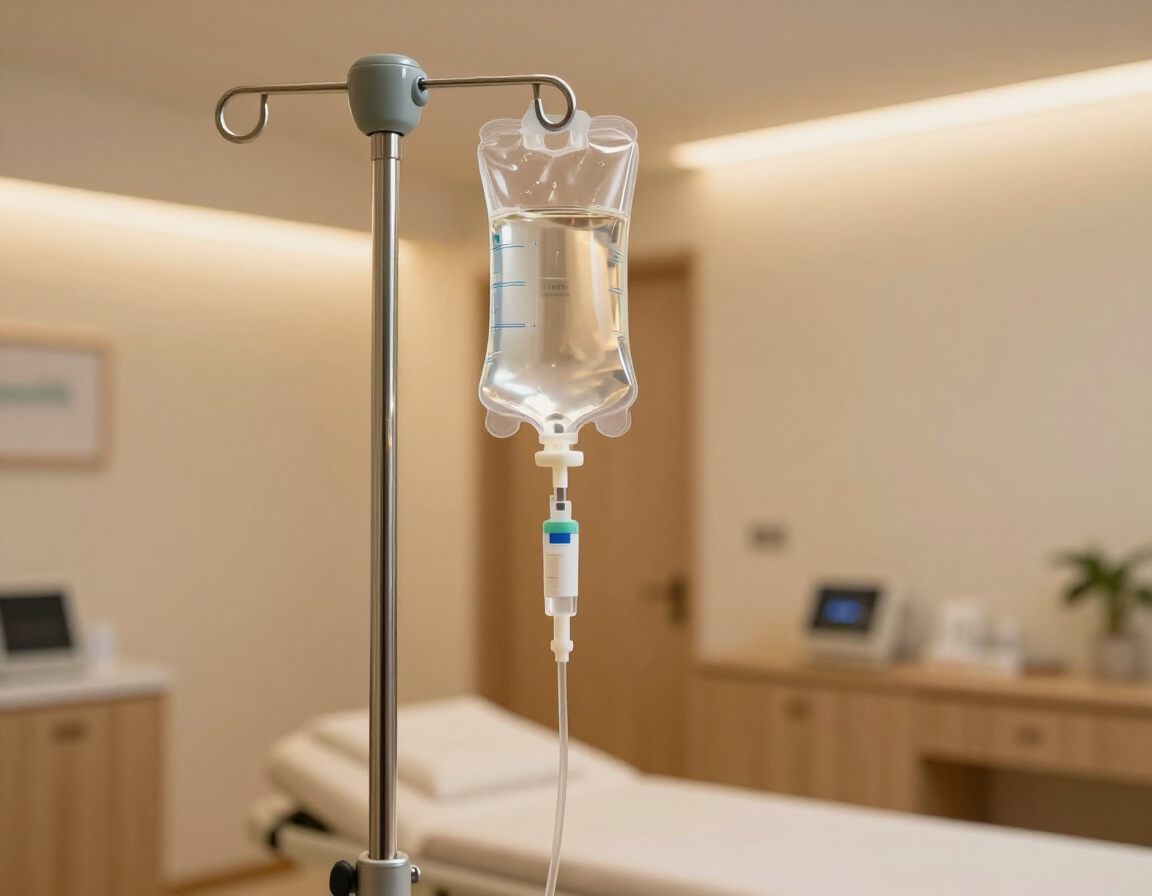
IV therapy consultation in a Nashville wellness clinic
September 17, 2026
IV therapy delivers fluids and selected ingredients directly into the bloodstream through intravenous infusion. Learn how treatments are administered, why formulations vary, and what questions to ask before choosing an IV protocol.
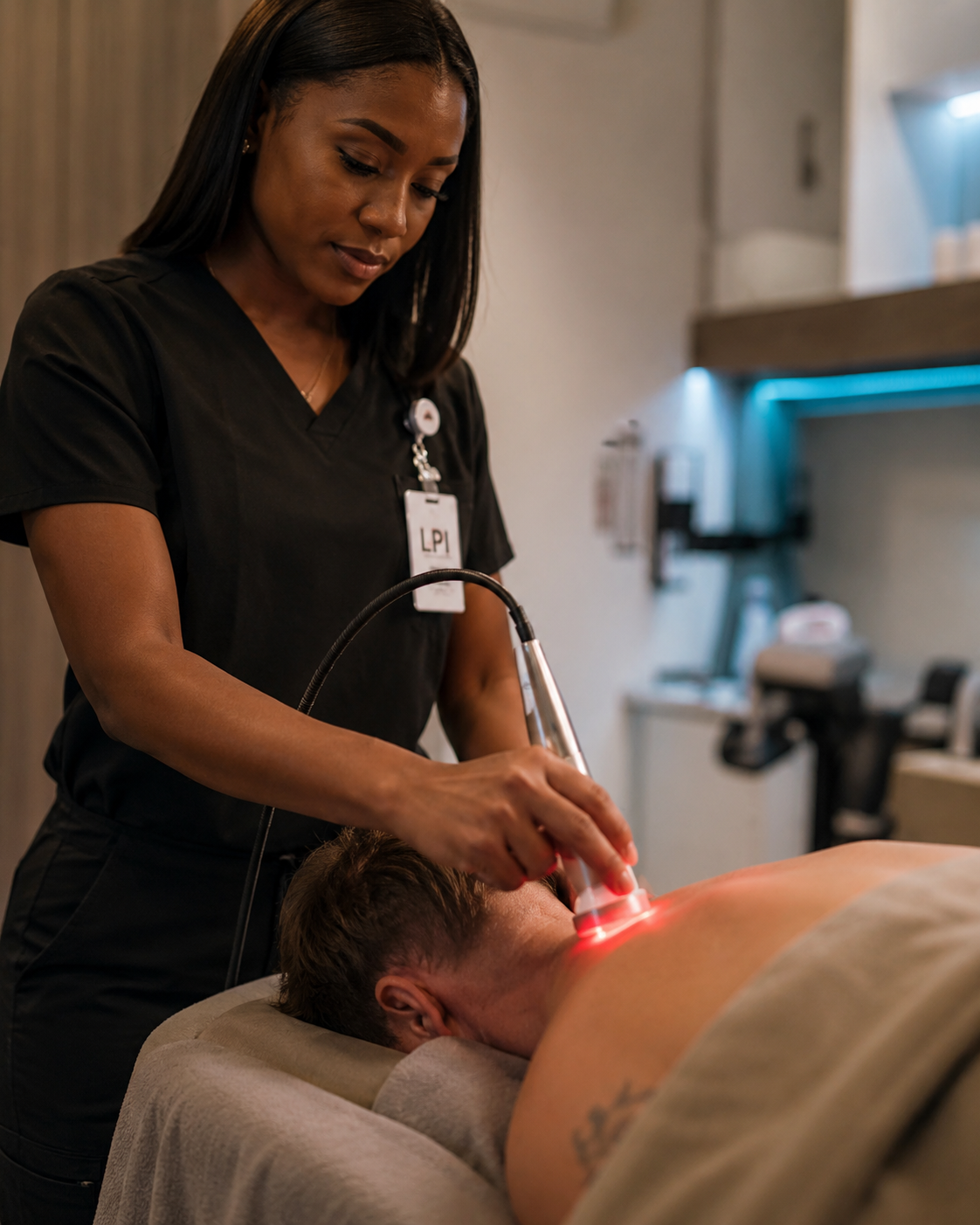
EBOO therapy equipment in a modern wellness clinic
September 17, 2026
EBOO involves temporarily circulating blood through specialized extracorporeal equipment before returning it to the body. This article explains the general process, why clinical screening matters, and where the research currently stands.

Active adults walking outdoors to support movement and longevity
September 17, 2026
Learn why maintaining strength, mobility, balance, and physical capacity can play an important role in staying independent and active over time.

Regenerative medicine consultation in Nashville
September 17, 2026
Regenerative medicine is not a single treatment. This guide explains what the term means, how different regenerative approaches work, why the specific product or procedure matters, and what patients should ask before treatment.
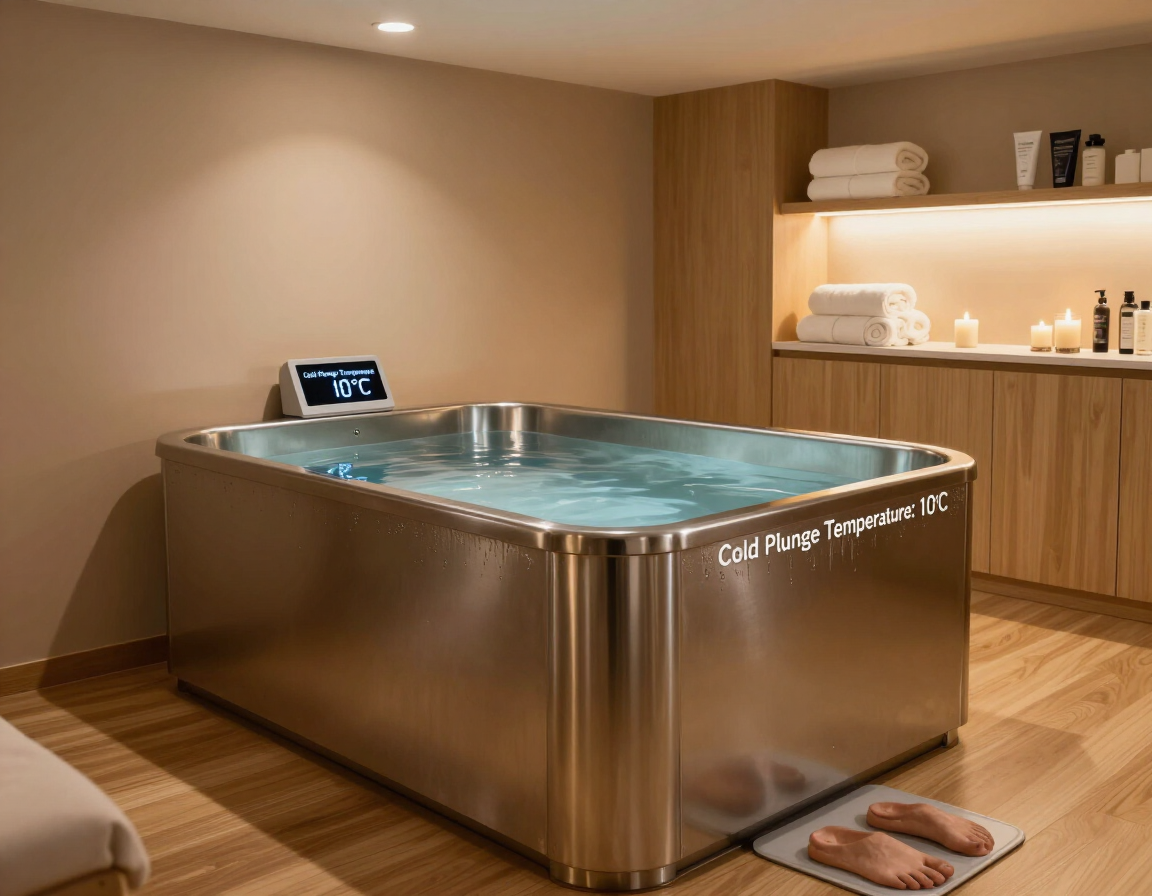
Cold plunge vs contrast therapy recovery options
September 17, 2026
Cold plunge and contrast therapy both use temperature as a physiological stimulus—but the experience and protocols are different. Learn how each works, how they may fit into a recovery routine, and what first-time users should know.

Hyperbaric oxygen therapy chamber during a treatment session
September 17, 2026
HBOT combines increased atmospheric pressure with controlled oxygen exposure. We break down what happens during pressurization, what a session feels like, how oxygen behaves differently under pressure, and what the research currently shows.
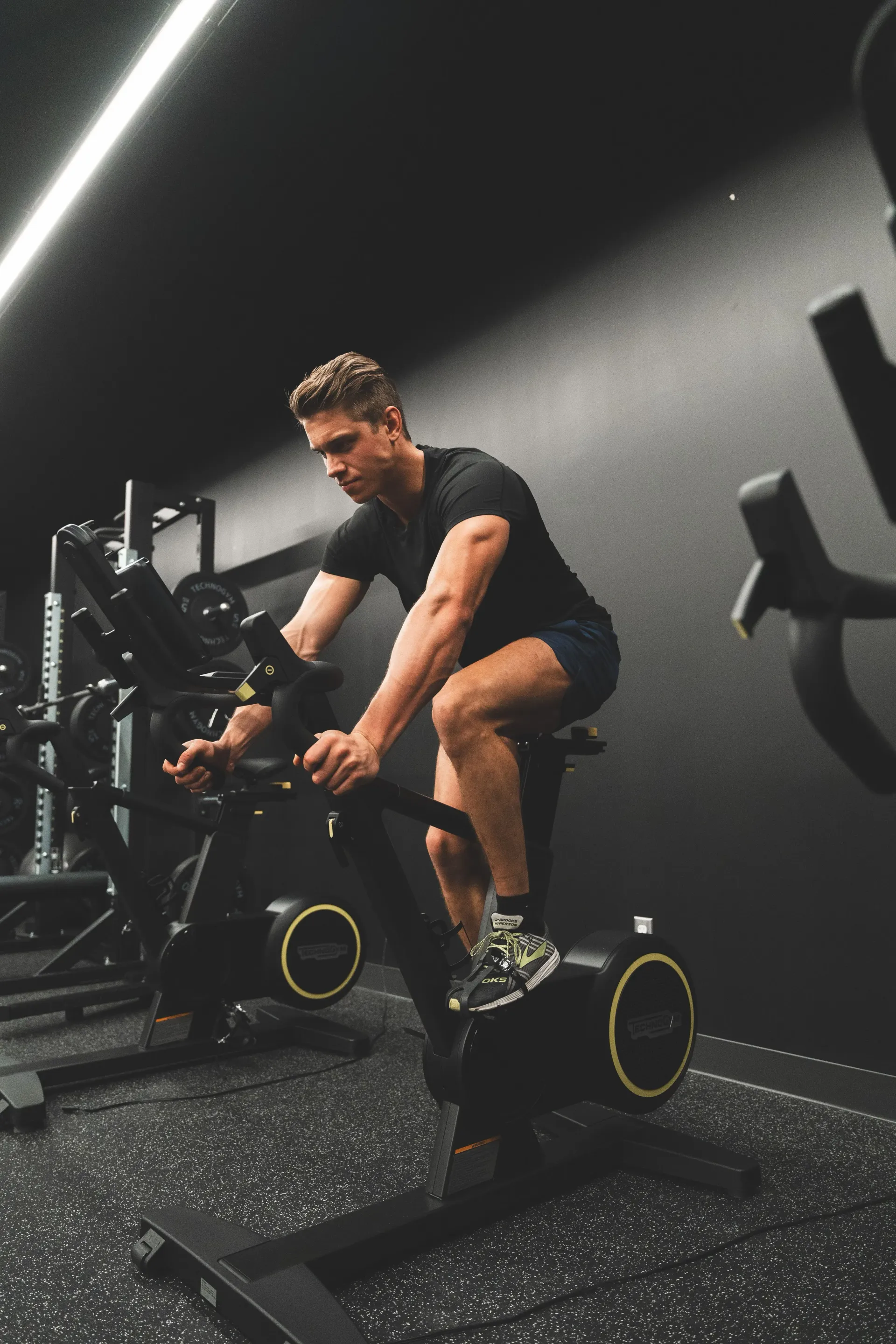
Recovery and performance support for active adults
September 17, 2026
Training creates demand. Recovery determines how prepared you are to handle the next one. Explore the role of sleep, physical restoration, movement, nutrition, and recovery strategies in supporting consistent performance.

Red light therapy using red and near-infrared wavelengths
September 17, 2026
Red light therapy uses red and near-infrared wavelengths in a process known as photobiomodulation. Learn how the technology works, what happens during a session, and why wavelength, dose, and treatment protocol matter.

Longevity means maintaining strength, movement, and resilience as you age
September 16, 2026
Learn what longevity really means and how movement, recovery, sleep, and proactive health strategies may support strength and function as you age in Nashville.