
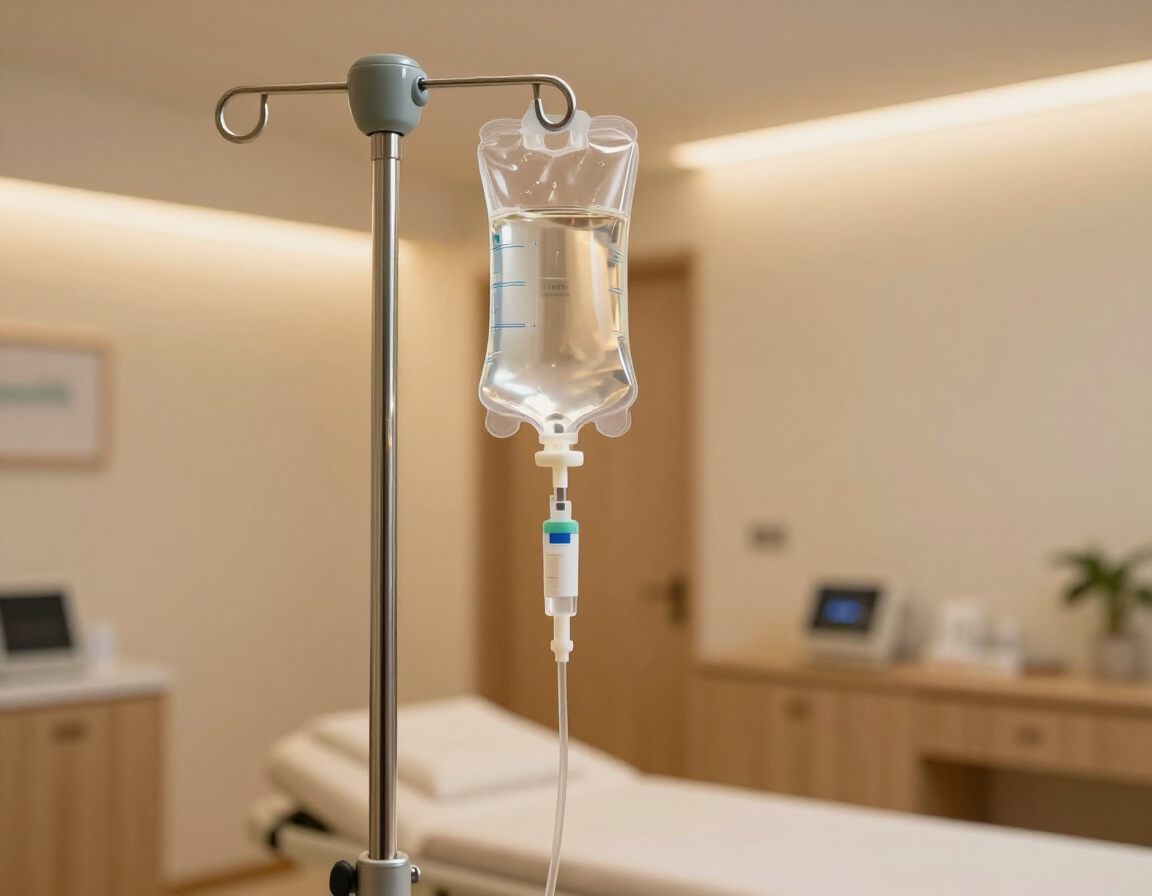
EBOO / EBO2 Therapy: How Extracorporeal Ozonation Works

September 17, 2026

Share this article

EBOO therapy, also called EBO2 therapy, is a procedure in which a small amount of blood is temporarily circulated outside the body through specialized equipment, exposed to a controlled ozonation process, and returned to circulation. The general goal is to support wellness-related applications, although individual experiences and outcomes can vary.

EBOO therapy treatment room

What Is EBOO Therapy?

EBOO stands for extracorporeal blood oxygenation and ozonation . “Extracorporeal” means outside the body. During a session, blood moves through a closed-loop system rather than remaining entirely within the bloodstream. The equipment is designed to manage this circulation under controlled clinical conditions before the blood is returned to the body.

EBO2 is another name commonly used for a similar form of therapy. Naming conventions can vary between practices, so it is reasonable to ask a provider exactly what equipment, protocol, and medical oversight are used.

EBOO therapy is generally discussed as an advanced wellness or complementary therapy. It should not be viewed as a replacement for emergency care, prescribed treatment, preventive medicine, or evaluation of a new symptom.

How Does EBOO Therapy Work?

The general process involves several connected stages:

  1. Access and monitoring: A trained professional establishes appropriate access to the circulation and monitors the individual throughout the appointment.
  2. Blood circulation: Blood is drawn into a specialized extracorporeal circuit in a controlled, continuous flow.
  3. Ozonation: The blood is exposed to a carefully prepared oxygen-ozone mixture within the equipment. The exact method and settings depend on the system and clinical protocol.
  4. Return to circulation: The treated blood is returned to the body through the circuit.
  5. Observation: The care team continues monitoring and reviews how the person feels before completing the session.

The process is not the same as simply breathing ozone. Ozone gas should not be inhaled, and EBOO should only be performed using appropriate equipment and professional oversight.

What Happens During an EBOO Session?

A provider will usually begin with a health history, medication review, and discussion of the person’s goals. Depending on the setting, the team may also review hydration, recent symptoms, relevant diagnoses, and whether additional medical evaluation is appropriate.

During the appointment, the patient typically remains seated or reclined while the system circulates blood. The process may take a substantial amount of time because blood is moved gradually through the circuit. Monitoring may include blood pressure, pulse, oxygen saturation, and general symptoms.

Some people report feeling relaxed during the appointment, while others may notice temporary discomfort related to access, positioning, or the circulation process. Experiences differ. A session should be stopped or adjusted if the care team identifies a safety concern or if the patient feels unwell.

Patient receiving supervised EBOO therapy

What May EBOO Therapy Support?

Interest in EBOO therapy often relates to circulation, recovery, energy, inflammation, or broader performance-focused wellness. However, research quality and clinical protocols can vary, and evidence may not support every claim made about ozone-based therapies.

A responsible discussion focuses on what the therapy may support rather than promising a specific result. Potential goals may include:

  • Supporting a personalized wellness or recovery plan
  • Complementing healthy movement, sleep, nutrition, and stress-management habits
  • Helping a person explore options for an individualized performance or longevity strategy
  • Providing a structured setting for monitoring and follow-up

The appropriate question is not simply, “Does EBOO work?” It is also, “Is this procedure appropriate for my health history, goals, and current care plan?” A consultation can help put the therapy in context.

Is EBOO Therapy Safe?

No medical or wellness procedure is risk-free. EBOO involves vascular access and extracorporeal blood circulation, so safety depends on patient selection, equipment quality, hygiene, staff training, monitoring, and the protocol used.

Possible concerns may include discomfort or bruising at the access site, lightheadedness, changes in blood pressure, infection risk, or reactions related to the procedure. The specific risks can differ based on the equipment and a person’s medical history.

People should provide a complete list of medications, supplements, allergies, diagnoses, surgeries, and prior reactions to procedures. A provider may recommend additional evaluation or decide that EBOO is not suitable. Never delay urgent medical care to pursue a wellness procedure.

Questions to Ask Before Treatment

Before scheduling, consider asking:

  • Who performs and medically supervises the procedure?
  • What equipment and protocol are used?
  • How are vital signs and the extracorporeal circuit monitored?
  • What conditions, medications, or circumstances would make treatment inappropriate?
  • What should I expect before, during, and after the session?

Who Should Consider a Consultation?

A consultation may be appropriate for adults who are curious about EBOO as part of a broader, medically informed wellness plan. It can be especially useful for people who want to understand the process before deciding, have complex health histories, or are already working with other clinicians.

The consultation should be a two-way conversation. You should have an opportunity to explain your goals, ask about alternatives, understand uncertainty in the evidence, and learn how the provider handles follow-up. A reputable care team will not guarantee an outcome or pressure you to proceed.

If you are exploring several options, you can review the center’s services , learn more about the practice , or contact the team with questions about consultation availability in Nashville and Middle Tennessee.

How Should You Prepare for an EBOO Consultation?

Bring a current medication and supplement list, relevant medical records, recent laboratory results if requested, and a clear description of your goals. It may help to write down when symptoms began, what has helped, and what other therapies you have tried.

You can also prepare by asking:

  • Is my goal appropriate for this type of therapy?
  • Are there lower-risk or better-established alternatives?
  • What outcomes can realistically be assessed?
  • How will progress or side effects be monitored?
  • Who should coordinate with my primary care clinician or specialist?

Good preparation helps the consultation remain focused on your individual needs rather than general marketing claims.

Consultation about EBOO therapy and wellness goals

EBOO Therapy: Key Takeaways

EBOO, or EBO2 therapy, temporarily circulates blood through specialized extracorporeal equipment and returns it to the body after a controlled ozonation process. The procedure is more involved than a typical wellness service and should be performed with appropriate screening, monitoring, and clinical oversight.

Its suitability depends on your health history, goals, current treatments, and the protocol a provider uses. Evidence and individual responses can vary, so cautious expectations are important. If you are considering EBOO therapy in Nashville or Middle Tennessee, the next step is a consultation where you can review potential benefits, risks, alternatives, and whether the approach fits your overall care plan.

Recent Posts

IV therapy infusion in a modern Nashville wellness clinic
September 17, 2026
IV therapy delivers fluids and selected ingredients directly into the bloodstream through intravenous infusion. Learn how treatments are administered, why formulations vary, and what questions to ask before choosing an IV protocol.

Active adults walking outdoors to support movement and longevity
September 17, 2026
Learn why maintaining strength, mobility, balance, and physical capacity can play an important role in staying independent and active over time.

Regenerative medicine consultation in Nashville
September 17, 2026
Regenerative medicine is not a single treatment. This guide explains what the term means, how different regenerative approaches work, why the specific product or procedure matters, and what patients should ask before treatment.

Infrared sauna interior for recovery and wellness
September 17, 2026
Explore how passive heat exposure affects the body, what researchers are studying, and how sauna may fit into a broader wellness and recovery routine.
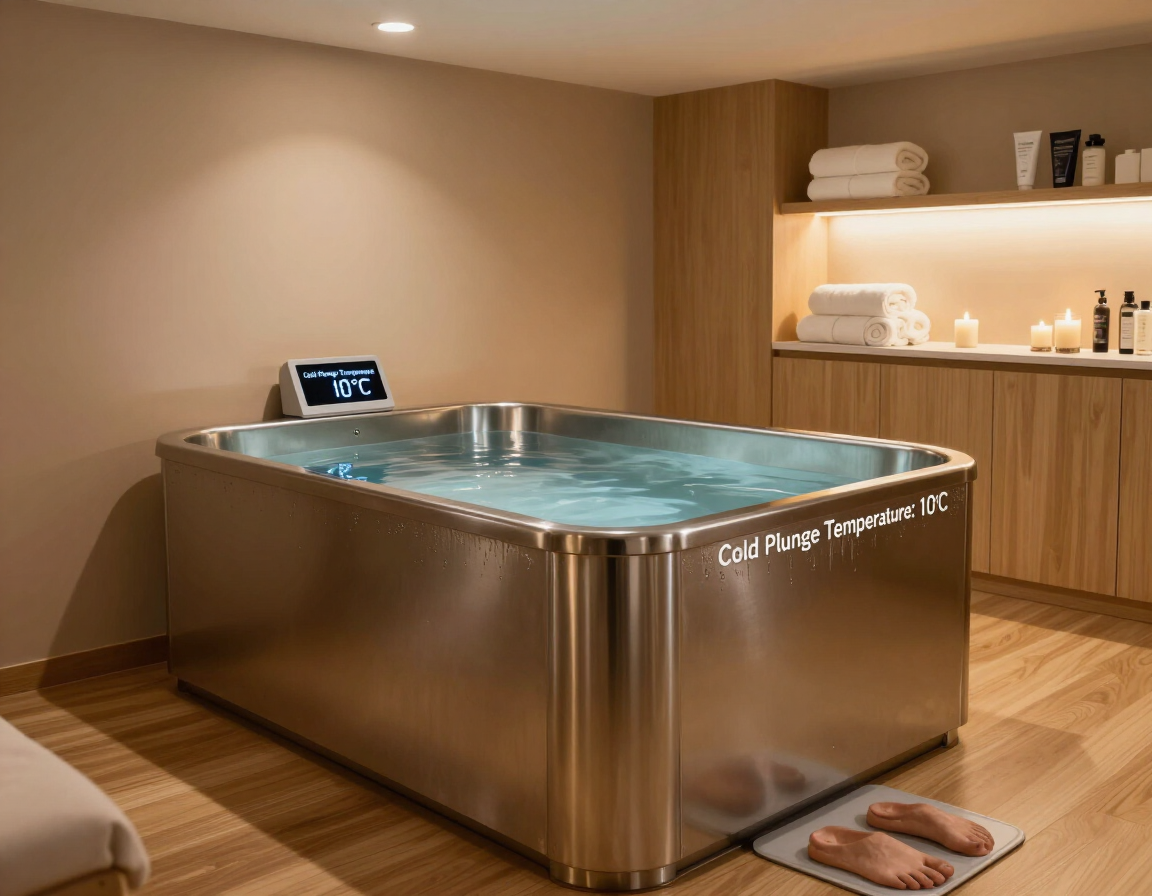
Cold plunge vs contrast therapy recovery options
September 17, 2026
Cold plunge and contrast therapy both use temperature as a physiological stimulus—but the experience and protocols are different. Learn how each works, how they may fit into a recovery routine, and what first-time users should know.

Hyperbaric oxygen therapy chamber during a treatment session
September 17, 2026
HBOT combines increased atmospheric pressure with controlled oxygen exposure. We break down what happens during pressurization, what a session feels like, how oxygen behaves differently under pressure, and what the research currently shows.
Recovery and performance support for active adults
September 17, 2026
Training creates demand. Recovery determines how prepared you are to handle the next one. Explore the role of sleep, physical restoration, movement, nutrition, and recovery strategies in supporting consistent performance.

Red light therapy using red and near-infrared wavelengths
September 17, 2026
Red light therapy uses red and near-infrared wavelengths in a process known as photobiomodulation. Learn how the technology works, what happens during a session, and why wavelength, dose, and treatment protocol matter.

Longevity means maintaining strength, movement, and resilience as you age
September 16, 2026
Learn what longevity really means and how movement, recovery, sleep, and proactive health strategies may support strength and function as you age in Nashville.