
Cold Plunge vs. Contrast Therapy: Which Recovery Method Is Right for You?

September 17, 2026

Share this article

Cold plunge vs. contrast therapy are recovery methods that use temperature to create a controlled physiological stimulus. A cold plunge uses cold water alone, while contrast therapy alternates hot and cold exposure. The better choice depends on your goals, health history, tolerance, schedule, and guidance from a qualified professional.

Cold plunge and contrast therapy recovery setup

What is the difference between cold plunge and contrast therapy?

The main difference is the protocol. A cold plunge involves entering water maintained at a cold temperature for a defined period. Contrast therapy combines heat and cold in repeated cycles, such as time in a sauna or warm environment followed by a brief cold plunge or shower.

Both approaches are forms of thermal stress. In simple terms, the body responds to changes in temperature by adjusting blood vessel tone, heart rate, sweating, breathing, and perceived exertion. These responses may influence how refreshed or recovered you feel, but they do not guarantee faster healing or improved performance.

Here is the basic comparison:

  • Cold plunge: Cold exposure only, usually brief and structured.
  • Contrast therapy: Alternating hot and cold exposure over several rounds.
  • Primary experience: Cold plunges feel intense and stimulating; contrast sessions feel more varied.
  • Planning: Cold plunges are generally simpler, while contrast therapy requires access to both heat and cold.
  • Best fit: The right option depends on comfort, goals, medical considerations, and recovery routine.

How does a cold plunge work?

A cold plunge immerses much of the body in cold water. Water conducts heat away from the body efficiently, so even a short session can feel more intense than cool air exposure. The initial response may include rapid breathing, muscle tension, and a strong sense of alertness.

A typical session should be controlled rather than competitive. Water temperature, duration, entry method, breathing, and supervision all matter. Beginners may benefit from starting with less extreme cold and shorter exposure rather than trying to match an advanced protocol.

People often use cold plunges after exercise because the sensation may help them feel less overheated or temporarily reduce the perception of soreness. Research on cold-water immersion varies by protocol and goal. Some evidence suggests it may influence short-term soreness or perceived recovery, while frequent use immediately after strength training may not be ideal for every adaptation goal.

That distinction matters. A method that feels helpful after a demanding event may not be the best choice after every workout. Consider the timing and purpose of the session instead of treating cold exposure as a universal recovery solution.

What are the potential benefits of contrast therapy?

Contrast therapy alternates heat and cold, commonly through a sauna, warm shower, hot tub, or heated recovery environment followed by cold water. The repeated shifts can create a noticeable change in circulation, breathing, and perceived muscle comfort.

Supporters commonly use contrast therapy to:

  • Help the body transition between relaxation and stimulation
  • Support a feeling of post-exercise recovery
  • Promote a structured cooldown routine
  • Make temperature-based recovery more tolerable through shorter cold intervals
  • Add variety to an otherwise repetitive wellness plan

The evidence is not uniform, and contrast therapy protocols differ widely. Temperature, duration, sequence, number of rounds, hydration, and the person’s health status can all affect the experience. It is more accurate to say contrast therapy may support perceived recovery and relaxation than to claim it removes inflammation or repairs tissue.

For some adults, alternating temperatures may feel more comfortable than remaining in cold water. For others, the added heat may create unnecessary strain, especially if they are dehydrated, lightheaded, or sensitive to rapid changes in temperature.

Adult using a controlled contrast therapy routine

Which recovery method is better for soreness?

Neither method is automatically better for everyone. Cold exposure may temporarily change how soreness feels, especially after strenuous activity. Contrast therapy may provide a relaxing routine that combines warmth with brief cold exposure. Your response can depend on the type of exercise, how hard you trained, when you use the method, and how well you tolerate it.

If your main goal is immediate comfort after a demanding workout, either method may be worth discussing with a qualified provider. If your priority is building strength or muscle, ask how the timing of cold exposure fits with your training plan. Recovery methods should support the larger program, including sleep, nutrition, hydration, mobility, and appropriately planned exercise.

Cold plunge vs. contrast therapy: how do you choose?

Use your goal and practical constraints as the starting point. A cold plunge may be the simpler option if you want a brief, focused temperature stimulus and already tolerate cold water well. Contrast therapy may be preferable if you enjoy heat, want more variety, or find short cold intervals easier than one continuous plunge.

Consider these questions:

  1. What are you trying to support? Relaxation, perceived soreness, post-exercise comfort, alertness, or routine consistency may lead to different choices.
  2. How do you respond to temperature changes? Pay attention to breathing, dizziness, unusual discomfort, and how you feel afterward.
  3. What does your training schedule require? The best timing may differ after endurance work, strength training, competition, or a rest day.
  4. Can you follow a controlled protocol? Reliable temperature, measured exposure, hydration, and a safe way to exit are important.
  5. Do you have health considerations? A personal assessment may be appropriate before using significant heat or cold stress.

Consistency is often more useful than intensity. A manageable routine that you can follow safely may be more valuable than an extreme session performed occasionally.

Safety considerations before using heat or cold

Cold water and heat both place demands on the cardiovascular and nervous systems. Entering cold water can cause an abrupt gasp or rapid breathing. Heat can contribute to fluid loss, low blood pressure, and lightheadedness. Alternating between them may increase the challenge.

Speak with a healthcare professional before using cold plunge or contrast therapy if you have a cardiovascular condition, uncontrolled blood pressure, a history of fainting, circulation concerns, reduced temperature sensation, or another condition that could affect your response. Pregnancy, medications, and recent illness may also change what is appropriate.

General precautions include:

  • Do not use these methods alone, particularly when trying a new protocol.
  • Enter and exit slowly, using stable surfaces.
  • Stop if you experience chest pain, severe shortness of breath, confusion, faintness, or unusual symptoms.
  • Avoid using heat or cold while impaired by alcohol or recreational drugs.
  • Rehydrate appropriately, especially after heat exposure or exercise.
  • Do not assume a longer or colder session is more effective.

These precautions are not a substitute for individualized medical advice. A supervised setting can help you understand the equipment, establish reasonable exposure, and recognize when to stop.

A practical starting approach

If you are new to temperature-based recovery, begin with one method rather than combining several variables at once. Track the temperature, duration, time of day, exercise performed, hydration, and how you feel immediately and several hours later.

A conservative approach may include:

  • Choosing a comfortable, controlled starting temperature
  • Using a short exposure rather than chasing a personal record
  • Focusing on calm, steady breathing
  • Leaving enough time to warm up and recover afterward
  • Reviewing the experience before increasing duration or adding rounds

Do not use a protocol simply because it is popular online. Your response provides useful information, but persistent or concerning symptoms deserve professional attention.

Recovery consultation about temperature-based wellness

How can a consultation help?

A consultation can help connect a recovery method to your health history, training routine, and goals. Instead of choosing based only on intensity or social media trends, you can discuss whether cold exposure, heat, contrast therapy, or another recovery strategy makes sense for you.

At a wellness center serving Nashville and Middle Tennessee, the conversation may also include complementary services such as movement support, IV therapy, red light therapy, hyperbaric oxygen therapy, or other wellness options. Each service should be evaluated on its own purpose, evidence, risks, and fit—not treated as a guaranteed solution.

You can learn more about available options on the Services page or contact the center to discuss your situation.

Key takeaways

Cold plunge vs. contrast therapy is not a contest with one universal winner. Cold plunges offer a focused cold stimulus, while contrast therapy combines heat and cold in a broader routine. Either may support perceived recovery or relaxation for some people when used thoughtfully, but neither replaces sleep, hydration, nutrition, or appropriate medical care. Choose based on your goals, tolerance, schedule, and safety considerations. If you have a medical condition, take relevant medication, or are unsure where to begin, seek a consultation before starting.

Recent Posts

IV therapy consultation in a Nashville wellness clinic
September 17, 2026
IV therapy delivers fluids and selected ingredients directly into the bloodstream through intravenous infusion. Learn how treatments are administered, why formulations vary, and what questions to ask before choosing an IV protocol.
EBOO therapy equipment in a modern wellness clinic
September 17, 2026
EBOO involves temporarily circulating blood through specialized extracorporeal equipment before returning it to the body. This article explains the general process, why clinical screening matters, and where the research currently stands.

Active adults walking outdoors to support movement and longevity
September 17, 2026
Learn why maintaining strength, mobility, balance, and physical capacity can play an important role in staying independent and active over time.

Regenerative medicine consultation in Nashville
September 17, 2026
Regenerative medicine is not a single treatment. This guide explains what the term means, how different regenerative approaches work, why the specific product or procedure matters, and what patients should ask before treatment.
Infrared sauna interior for recovery and wellness
September 17, 2026
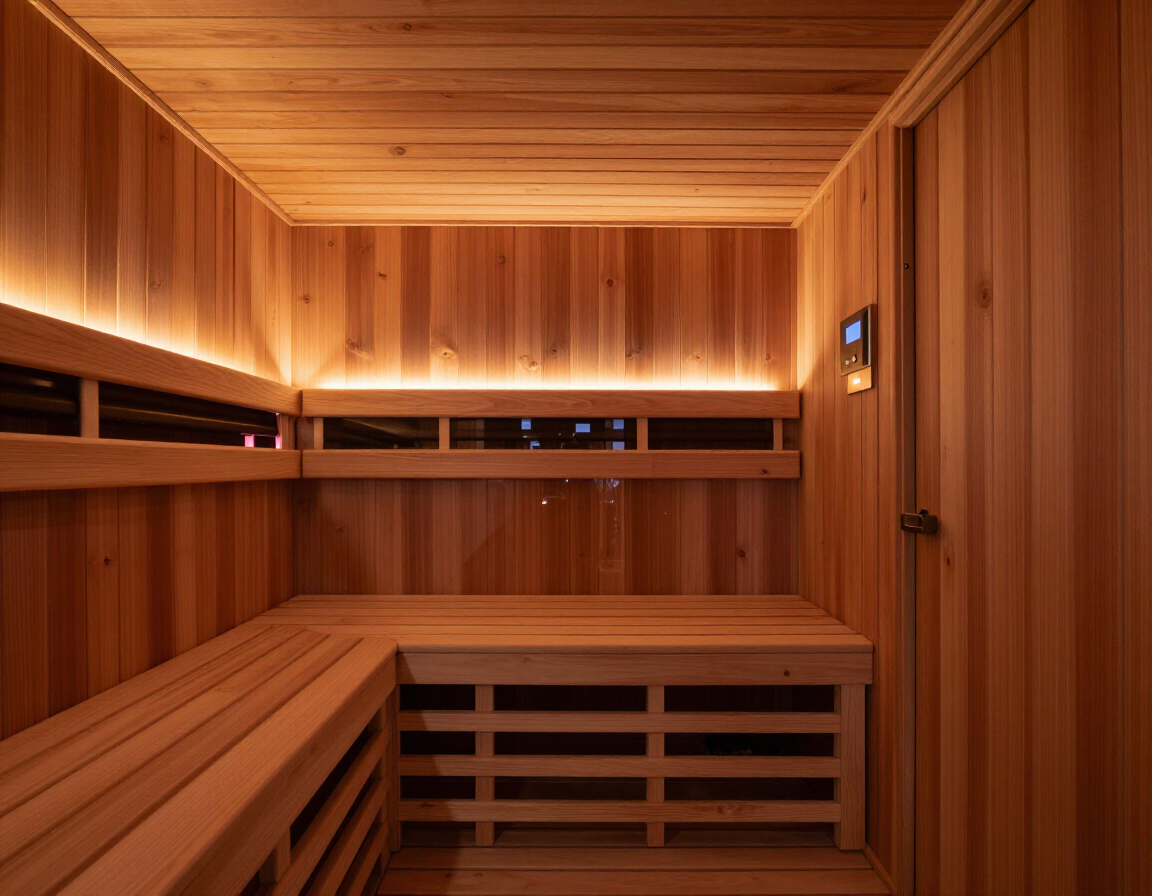
Explore how passive heat exposure affects the body, what researchers are studying, and how sauna may fit into a broader wellness and recovery routine.

Hyperbaric oxygen therapy chamber during a treatment session
September 17, 2026
HBOT combines increased atmospheric pressure with controlled oxygen exposure. We break down what happens during pressurization, what a session feels like, how oxygen behaves differently under pressure, and what the research currently shows.
Recovery and performance support for active adults
September 17, 2026
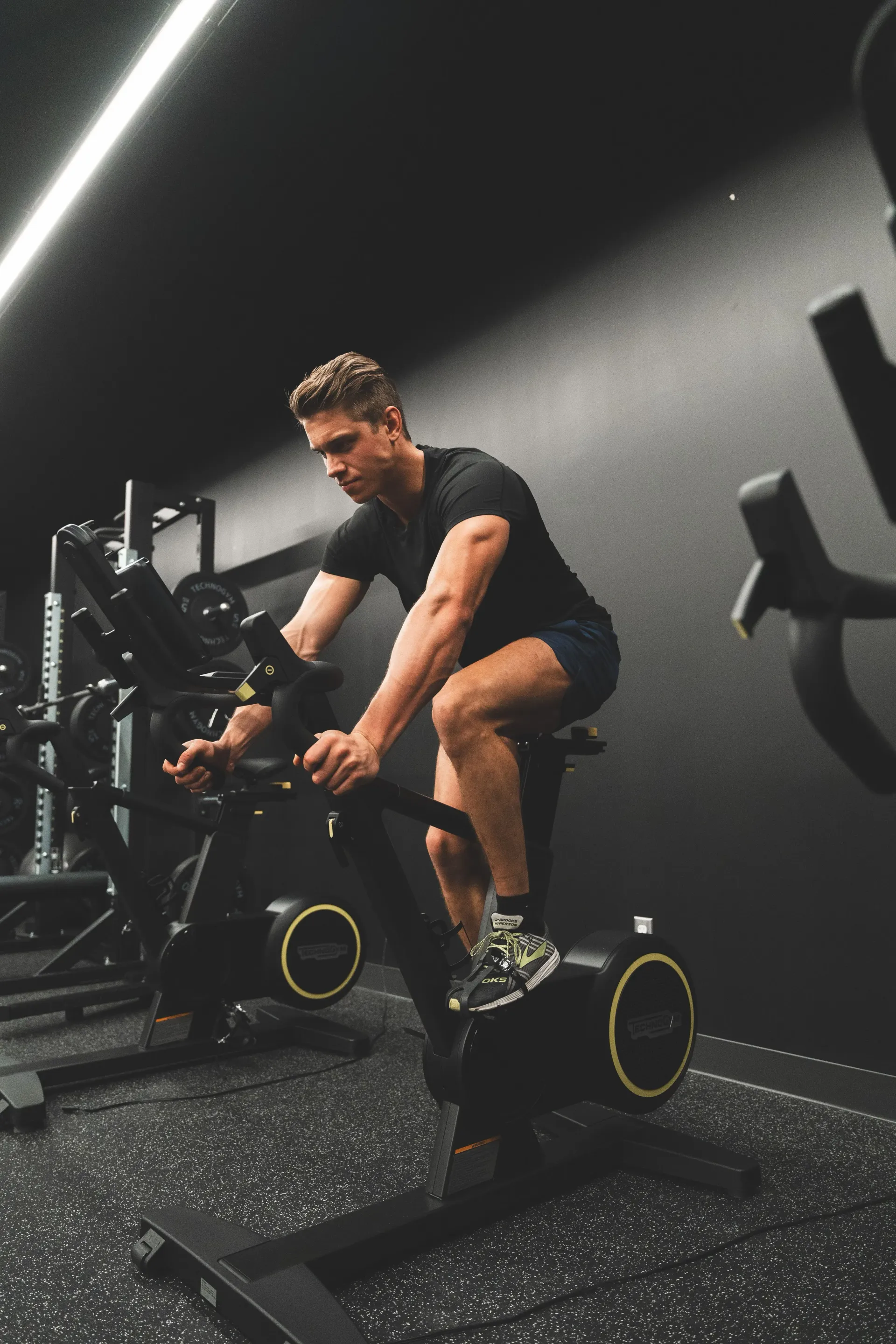
Training creates demand. Recovery determines how prepared you are to handle the next one. Explore the role of sleep, physical restoration, movement, nutrition, and recovery strategies in supporting consistent performance.

Red light therapy using red and near-infrared wavelengths
September 17, 2026
Red light therapy uses red and near-infrared wavelengths in a process known as photobiomodulation. Learn how the technology works, what happens during a session, and why wavelength, dose, and treatment protocol matter.
Longevity means maintaining strength, movement, and resilience as you age
September 16, 2026
Learn what longevity really means and how movement, recovery, sleep, and proactive health strategies may support strength and function as you age in Nashville.